

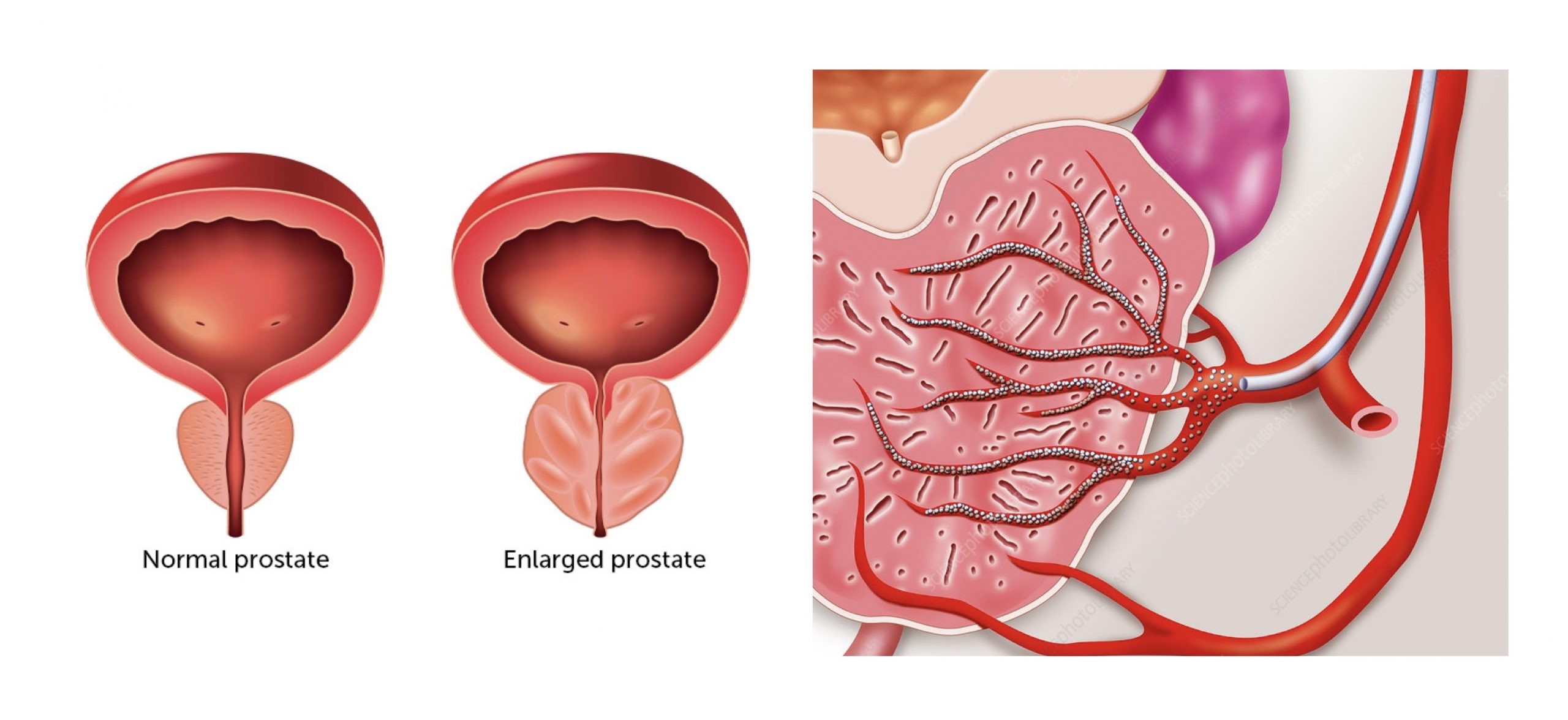
Benign prostatic hyperplasia (BPH) becomes more common with age. However, a large prostate on its own does not mean the condition is dangerous. What matters is how much the enlargement obstructs urine flow, whether the bladder empties properly, and whether the kidneys are affected.
Author and medical reviewer: Professor Cenk Acar
Last medical review: 2026
Which symptoms should not be delayed in evaluation?
Urology evaluation should not be postponed if any of the following are present:
- Marked difficulty starting urination or a severely weakened urine stream
- A sensation that the bladder has not emptied after urinating
- Frequently recurring urinary tract infections
- Visible blood in the urine
- Development of a bladder stone
- Worsening kidney function or kidney enlargement detected on imaging
- Symptoms that significantly disrupt daily life or sleep despite medication
Sudden inability to urinate is an emergency
Complete inability to pass urine despite a full bladder is called acute urinary retention. If this is accompanied by severe lower abdominal pain and a feeling of bladder fullness, urgent medical attention may be required. Bladder drainage with a catheter and evaluation of the underlying cause of the obstruction may be necessary.
Prostate size and symptoms don't always match
A very large prostate may cause only mild symptoms in some men, while a smaller prostate can cause significant obstruction of the urinary channel. For this reason, the treatment decision is not based on prostate volume alone.
Evaluation combines the patient's symptoms and examination findings with, when needed, PSA testing, urinalysis, ultrasonography, uroflowmetry, and measurement of post-void residual urine.
When is treatment needed?
Men with mild symptoms and no risk findings in the urinary tract can generally be followed with regular monitoring. If symptoms worsen, medication may be considered. Surgical treatment may be discussed in cases of recurrent urinary obstruction, infection, bladder stones, kidney impairment, or symptoms that persist despite medication.
For a detailed overview of BPH symptoms, evaluation methods, and current treatment options, see the Benign Prostatic Hyperplasia (BPH) guide.
Important: Complete inability to urinate, painful urination with fever and chills, visible bleeding, or severe lower abdominal pain require urgent medical evaluation.
Frequently asked questions
Does a large prostate always require surgery?
No. The decision depends on symptom severity and whether the urinary tract or kidneys are affected, not on prostate size alone. Many men with mild symptoms can be monitored or managed with medication.
What should I do if I suddenly cannot urinate?
Sudden inability to urinate (acute urinary retention) is a medical emergency. Seek urgent care, where bladder drainage and evaluation of the cause can be arranged.
Can BPH symptoms be managed without surgery?
In selected patients with mild to moderate symptoms, lifestyle measures and medication may be sufficient. Individualized assessment is required to determine the right approach.
Does BPH increase the risk of prostate cancer?
BPH and prostate cancer are different conditions and one does not cause the other, although both can occur in the same gland. Routine PSA and clinical evaluation help distinguish between them.
This content is for general educational purposes and does not replace individual medical examination and evaluation.