

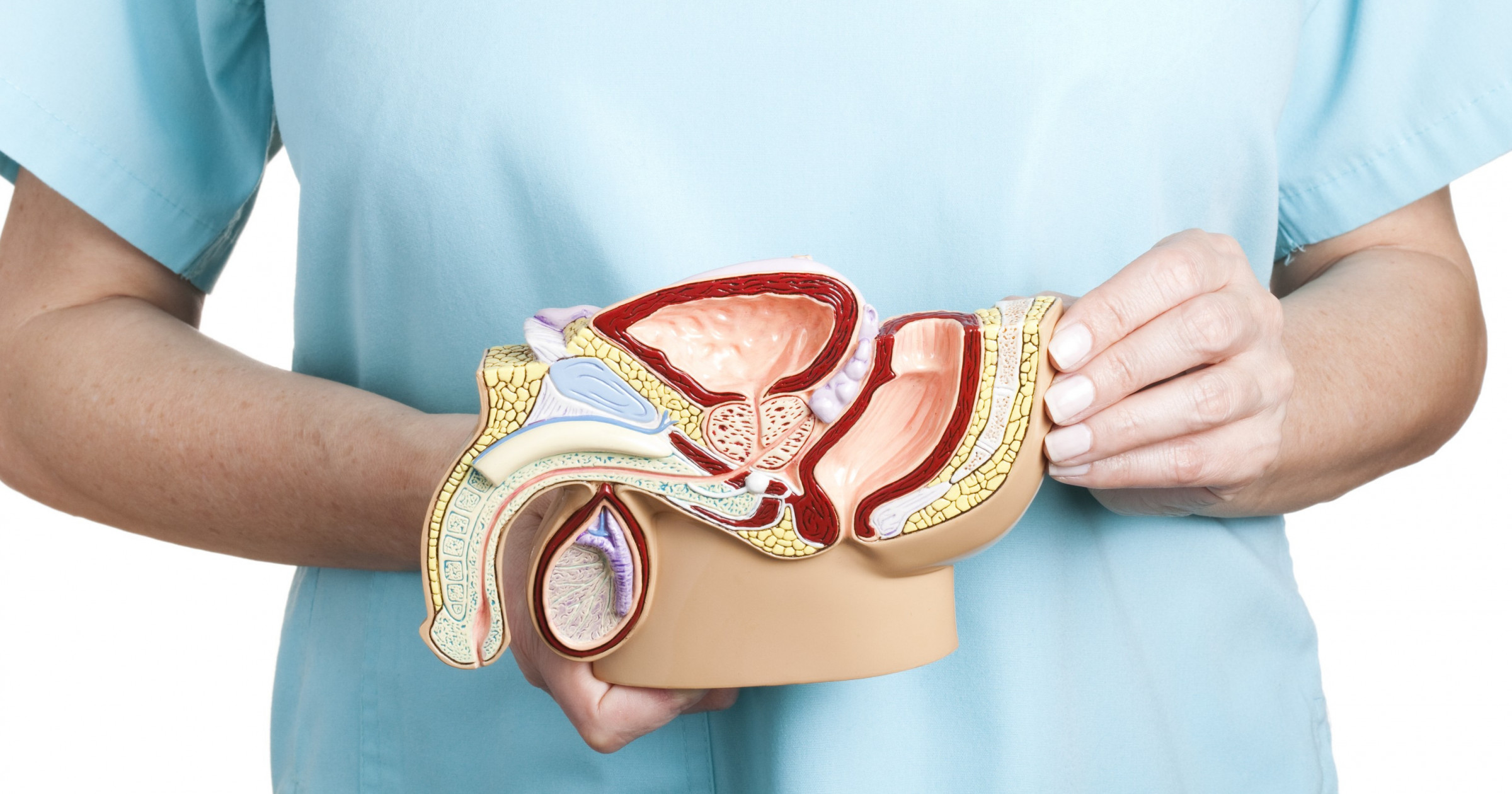
A urinary tract infection (UTI) occurs when bacteria enter the urinary system and multiply, causing symptoms such as burning on urination, urinary frequency, and pelvic or lower abdominal discomfort. Treatment is guided by urine culture results, and adequate fluid intake helps flush bacteria from the urinary tract.
Author and medical reviewer: Professor Cenk Acar
Last medical review: 2026
What is a urinary tract infection?
A UTI develops when bacteria, most often from the digestive tract, reach the bladder or, less commonly, the kidneys, and multiply faster than the body can clear them. Infections limited to the bladder (cystitis) are the most common form; infection reaching the kidneys (pyelonephritis) is more serious and usually causes fever and flank pain in addition to urinary symptoms.
Common symptoms
- Burning or pain during urination
- Urinating more often than usual, sometimes in small amounts
- A sudden, strong urge to urinate
- Cloudy, strong-smelling, or blood-tinged urine
- Pelvic or lower abdominal discomfort
- Fever, chills, or flank pain may indicate the infection has reached the kidneys and needs urgent evaluation
Who is at higher risk?
UTIs are considerably more common in women than in men because of anatomical differences in the urinary tract. According to clinical epidemiological data, approximately 50–60% of women will experience at least one UTI during their lifetime, and around 25% of those cases recur within the first six months.
Experiencing three or more UTIs in a year is generally considered recurrent (chronic) urinary tract infection and warrants further diagnostic work-up.
Expert perspective
"In recurrent urinary tract infections in particular, relying on antibiotics alone offers only a temporary solution. Underlying urological causes — such as stone disease, incomplete bladder emptying, or anatomical obstructions — should always be investigated." — Prof. Dr. Cenk Acar
How is it diagnosed?
Diagnosis is based on symptoms together with urinalysis and urine culture, which identifies the responsible bacteria and the antibiotics it is sensitive to. In men, in children, or in women with recurrent infections, additional evaluation — such as ultrasonography, post-void residual measurement, or cystoscopy — may be needed to look for an underlying cause.
How is it treated?
Treatment is based on antibiotics selected according to urine culture results and local resistance patterns, along with adequate hydration to help clear bacteria from the urinary tract. Over-the-counter pain relief may help with discomfort during treatment. Antibiotics should be completed as prescribed, even if symptoms improve early.
When does recurrence need a urological work-up?
Treating each episode with antibiotics is not enough when infections keep coming back. Recurrent UTIs may be related to bladder stones, incomplete bladder emptying due to prostate enlargement or other obstruction, anatomical abnormalities, or, less commonly, other urological conditions. Identifying and correcting the underlying cause, when one is found, reduces the chance of further infections.
Important: Fever with chills, flank pain, visible blood in the urine, or an inability to keep fluids down alongside urinary symptoms require prompt medical evaluation, as these can indicate a kidney infection.
Frequently asked questions
Can a UTI go away without antibiotics?
Mild symptoms occasionally resolve with hydration alone, but most confirmed infections require antibiotics chosen based on urine culture. Self-treating without a diagnosis can allow the infection to progress, particularly to the kidneys.
How many UTIs a year is considered abnormal?
Three or more urinary tract infections within a year is generally classified as recurrent infection and merits further urological evaluation to look for an underlying cause.
Are men at lower risk of UTIs?
Yes, UTIs are less common in men due to anatomical differences, but when they do occur in men, an underlying cause such as prostate enlargement, a stone, or incomplete bladder emptying is more likely and should be investigated.
This content is for general educational purposes and does not replace individual medical examination and evaluation.